
Rooftop Unit Problems: 7 Warning Signs Your RTU Needs Service
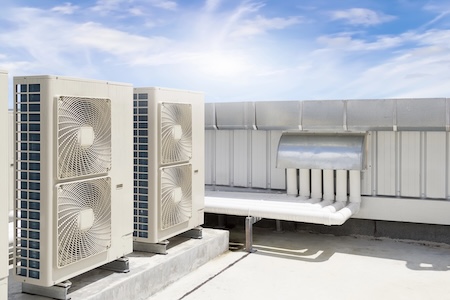
Your rooftop unit works hard through humid summers and subzero winters in Wisconsin Rapids. When it slips, comfort drops and energy use climbs. If you notice any of the warning signs below, schedule a visit with the pros at Tri-City Services. To see what our team handles, explore our rooftop unit service page.
What Your RTU Does For Your Building
A rooftop unit pulls in outdoor air, conditions it, and delivers even temperatures to offices, shops, restaurants, and warehouses. It manages temperature, humidity, and airflow while protecting indoor air quality. Around Grand Rapids, Port Edwards, and Nekoosa, changing seasons add stress. Heat waves load the condenser. Freeze–thaw cycles test drain lines and seams. A small issue can grow fast if it is ignored.
Because many RTUs serve both heating and cooling, a single fault can affect comfort on the sales floor, production areas, or dining rooms. Tackle problems early and you avoid surprise shutdowns that disrupt teams and guests. If your space also relies on packaged cooling, you can learn how our commercial cooling support fits your building by reviewing commercial air conditioning services.
Seven Warning Signs Your RTU Needs Service
- Do not ignore water near your RTU. Water stains on ceilings, rust streaks below the curb, or puddles by roof drains suggest clogged condensate lines or pan issues that can lead to roof damage.
- Hot and cold spots across suites or aisles. Uneven temperatures often point to airflow problems, failing dampers, or control faults.
- New noises or vibration. Rattling, squealing, or droning can come from worn belts, bearings, or fan imbalances that worsen with use.
- Energy bills trending higher without a weather reason. Rising kWh or gas use may signal dirty coils, failing sensors, or a compressor struggling to meet load.
- Short cycling or constant running. Rapid starts and stops or an RTU that never satisfies the setpoint wastes energy and accelerates wear.
- Weak airflow, stuffy rooms, or odors. Clogged filters, blocked coils, or duct issues can starve your space of fresh air and comfort.
- Unusual electrical smells or frequent breaker trips deserve attention now. These can indicate failing motors, loose connections, or control board problems.
If you recognize one or more of these, act before peak season. Scheduling service at the first sign protects your roof, your finishes, and your schedule.
Local insight: late May through June in Central Wisconsin often brings cottonwood fluff that mats onto condenser coils. A quick check after peak pollen can prevent nuisance high-head-pressure trips. For safety, never send staff onto the roof. Leave access and diagnostics to a licensed technician.
Why These Problems Happen In Central Wisconsin
Our climate in Wisconsin Rapids swings from muggy July afternoons to wind-chill winters. That creates unique stress on RTUs:
- Summer debris. Cottonwood and dust clog outdoor coils, starving heat transfer and driving up head pressure.
- Freeze–thaw cycles. Ice in drain lines can crack pans and back up water into the cabinet and curb.
- Belt and bearing wear. Temperature swings and rooftop vibration fatigue moving parts faster than indoor systems.
- Makeup air and duct hygiene. Stale air or odors can be made worse by dirty ductwork. For a deeper look at airflow hygiene, see our article on commercial duct cleaning in Wisconsin Rapids.
Some sites also battle grease-laden air from kitchens, drifting dust from nearby mills, or rooftop snow drifting off Lake Wazeecha winds. These local factors make routine professional care essential.
What A Professional RTU Visit Includes
When Tri-City Services services an RTU, the goal is simple: find the root cause fast and protect the building. A standard visit typically includes visual inspection of cabinet and curb, verification of filters and airflow, coil condition check, belt and bearing assessment, electrical testing, and controls review. If the system needs further diagnostics, your technician will test sensors, verify refrigerant performance, and document readings for future comparison.
Many businesses near Downtown Wisconsin Rapids or the Rapids East Commerce Center schedule visits during mid-morning dips or after close. That keeps doors moving and teams focused. If you need help planning service around staffing, your technician can coordinate access and staging so work is efficient and safe.
Risks Of Waiting Too Long
Delays can cost more than comfort. Here is what can happen when symptoms are ignored:
- Ceiling leaks and roof damage from backed-up condensate.
- Product loss in temperature-sensitive areas or hot aisles in server rooms.
- Employee discomfort that reduces focus and guest satisfaction.
- Higher utility use and preventable wear on compressors and motors.
- Warranty and code headaches if maintenance records are incomplete.
Quick, documented service helps you avoid unplanned downtime. If your site needs a clear next step, review our overview for rooftop unit repair and maintenance so you know what to expect when we arrive.
Maintenance That Fits Wisconsin Rapids Facilities
Every building uses its RTU a little differently. Retail on 8th Street South cycles doors all day. Light manufacturing near Grand Rapids runs steady shifts. Schools and churches peak on set schedules. The best plan matches those patterns so checks happen before busy periods, not during them.
A practical plan often includes quarterly filter changes, seasonal coil checks, and documented control verification before big weather swings. If your building also relies on packaged cooling, it can help to align those checks with your broader rooftop unit repair in Wisconsin Rapids, WI goals so you have one point of contact and one record trail across systems.
How To Talk About Symptoms With Your Technician
You do not need to diagnose the problem. Share a few details and your tech will take it from there:
Mention when the issue started, which rooms feel off, any alarms seen on your thermostat or building management system, and whether problems change with weather or time of day. Photos of ceiling stains or thermostats can also help. Clear, simple notes often cut an entire visit from the resolution timeline.
Where We See These Issues Locally
Across Port Edwards, Biron, and Saratoga, we commonly see RTUs struggle after a dust-heavy summer or a long cold snap. Restaurants often notice water near roof drains when defrost condensate and grease-laden air mix. Offices tend to spot hot and cold zones first. Warehouses call about vibration or persistent alarms. No matter the building type, the pattern is the same: early signs first, bigger problems later.
Ready To Protect Your Roof And Comfort?
If your space has hot and cold spots, new noises, or higher bills, bring in a pro before peak season. Call Tri-City Services at 715-423-5840 to schedule a visit. For details on repairs, maintenance, and replacements, start with our page on commercial rooftop units.